Shoulder pain is a common problem and can affect daily activities such as reaching, lifting, dressing or sleeping. Symptoms may develop suddenly following an injury or gradually over time due to postural strain, repetitive activity or changes in how the shoulder is being used.
In some cases, shoulder pain may be influenced by irritation of nerves in the neck or by stiffness and altered movement in the upper back or rib cage. Because the shoulder does not work in isolation, it is often helpful to consider how the surrounding areas are contributing to symptoms.
Frozen shoulder, also known as adhesive capsulitis, is a condition characterised by progressive stiffness and restriction of shoulder movement. It can be painful and frustrating and may develop without a clear cause. Frozen shoulder is sometimes confused with other shoulder problems such as rotator cuff-related pain. Recovery can take time and usually occurs in phases, which is why early advice and supportive management can be helpful.
Osteopathic assessment and care
Osteopathic assessment for shoulder pain looks at how the shoulder joint is moving, as well as the function of the neck, upper back and chest. Posture, work set-up, daily activities and previous injury are also considered.
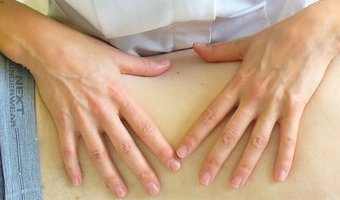
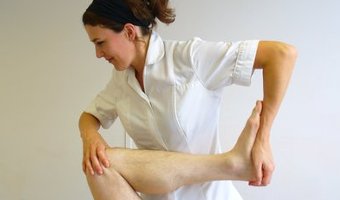
Treatment may involve hands-on techniques to ease muscle tension, support joint mobility and improve movement patterns. Advice is often given on activity modification, posture and appropriate exercises to support recovery and reduce ongoing strain. Where relevant, this may include guidance on workstation set-up and gradual strengthening once movement improves.
Care is tailored to the individual and based on findings from assessment.
For more detail, you may find these articles helpful:
Shoulder pain
Frozen shoulder
Patient experience
“Problems with my left shoulder started during my textiles degree and gradually began to interfere with everyday life. Fiona took time to understand the exact nature of my symptoms and carefully assessed my movement before starting treatment. The combination of hands-on treatment and advice has been really helpful and my shoulder continues to improve.”
Katie, Student
Appointments can be booked via my online diary.