Neck pain is very common and can present in a number of ways. Some people experience local stiffness or aching, while others notice pain that refers into the shoulders, upper back or arms. Neck-related tension can also contribute to headaches or a feeling of tightness around the head and upper shoulders.
Symptoms associated with neck pain may include reduced movement, muscle tension, pins and needles or altered sensation in the arms or hands. These patterns can occur for a variety of reasons and often reflect how the neck is coping with everyday load rather than a single isolated cause.
Common contributing factors to neck pain include sustained or awkward postures, prolonged desk or screen work, stress, disrupted sleep positions and previous injury. Neck pain may also follow trauma such as a road traffic accident or sporting injury.
The length of time it takes for neck pain to settle varies from person to person and depends on the underlying contributors and how the area is managed.
Osteopathic assessment and care
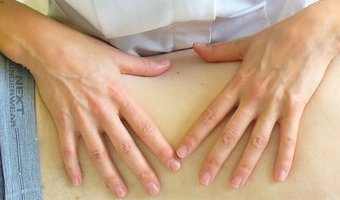
Osteopathic assessment of neck pain looks at how the neck, upper back, shoulders and jaw are moving and working together. This includes considering posture, movement patterns and muscle tone, as well as relevant lifestyle factors.
Treatment may involve hands-on techniques to ease muscle tension, support joint mobility and improve movement patterns. Advice is often given on posture, activity modification, pacing and simple exercises to support recovery and reduce strain.
Care is tailored to the individual and based on findings from assessment.
If you would like to read more about how posture can influence neck symptoms, you may find this article helpful:
Forward head posture and how it affects the neck.
Appointments can be booked via my online diary.