Most people experience headaches at some point in their lives. They can vary widely in frequency, severity and pattern, ranging from mild tension-type headaches to more complex migraine presentations.
Headache symptoms can have a number of contributing factors and these often overlap. For many people, musculoskeletal tension, posture, stress and how the neck and upper back are coping with load can play a role alongside other influences.
Common headache patterns
Tension-type headaches
Tension-type headaches are often felt as a tight or pressing sensation around the head and are commonly associated with muscle tension in the neck and upper back. They may be linked with sustained postures, desk work, stress or fatigue.
Headaches with neck involvement
Some headaches are associated with reduced movement or irritation in the neck and upper cervical spine. These may be accompanied by neck stiffness or discomfort and can be aggravated by prolonged postures or certain movements.
Migraines
Migraines are usually more intense and may be one-sided, throbbing or pulsating. They can be accompanied by symptoms such as sensitivity to light or sound, nausea or visual changes. Triggers vary between individuals and may include stress, sleep disruption, hormonal changes, diet or changes in routine.
Other headache presentations
Less common headache patterns include cluster headaches or headaches related to sinus congestion. These have distinct features and may require medical assessment.
Osteopathic assessment and care
Osteopathic assessment for headaches and migraines focuses on identifying musculoskeletal factors that may be contributing to symptoms. This includes looking at the neck, upper back, jaw and surrounding muscles, as well as posture, movement patterns and relevant lifestyle factors.
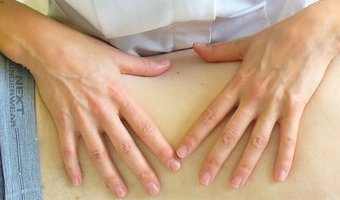
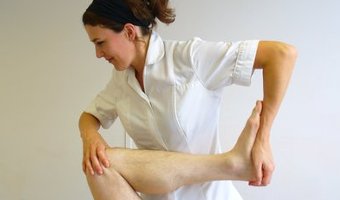
Treatment may involve hands-on techniques to ease muscle tension, support joint mobility and improve movement patterns. Advice is often given on posture, activity modification, pacing and self-management strategies where appropriate.
Osteopathic care does not replace medical assessment or treatment for headaches but may be helpful for some people as part of a broader approach, particularly where musculoskeletal factors are contributing.
You may also find this article helpful:
Osteopathy and headaches.
Patient experience
“My work involves a lot of heavy lifting and carrying and as a result I developed a lot of tension and posture problems over the years. Fiona has been treating me since 2011 and my headaches, which used to be a daily issue, have settled significantly. My posture has also improved and I now attend less frequently for maintenance care. Fiona is professional, friendly and very thorough.”
Jan, Paramedic
Appointments can be booked via my online diary.