Pregnancy places additional demands on the body as posture, load and movement patterns change. It is common for people to experience discomfort in the lower back, pelvis or hips at different stages of pregnancy and these symptoms can vary in intensity and location.
As pregnancy progresses, changes in posture and centre of gravity, along with hormonal influences, can affect how the joints and soft tissues of the pelvis and lower back are working. These adaptations can sometimes contribute to pain that is felt in the lower back, buttock, pelvis or legs. Symptoms may overlap with sciatica-type leg pain and often reflect how the body is coping with these normal changes rather than a single isolated problem.
Pelvic girdle pain (PGP) and symphysis pubis pain
Pelvic girdle pain, sometimes referred to as symphysis pubis pain, is relatively common during pregnancy. It is thought to be related to a combination of hormonal changes, altered load through the pelvis and changes in movement and muscle control around the pelvic joints.
People with pelvic girdle pain may experience discomfort around the lower back, sacro-iliac joints, the front of the pelvis, the groin or down the inside of the thighs. Symptoms may be aggravated by activities such as walking, climbing stairs, turning in bed or standing on one leg.
Previous injury, asymmetry or reduced control around the pelvis may increase the likelihood of symptoms developing, although pelvic girdle pain can also occur without any clear pre-existing issues.
Osteopathic assessment and care
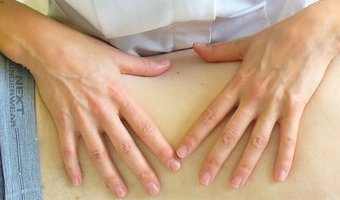
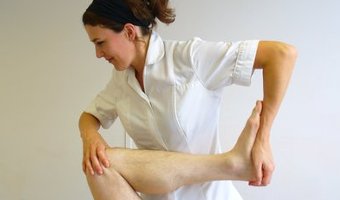
Osteopathic assessment during pregnancy focuses on understanding how the pelvis, lower back and hips are adapting to change. Care is always gentle and appropriate for pregnancy.
Treatment aims to ease muscle tension, support joint movement and reduce strain through the pelvis and spine. Advice is often given on posture, daily activities, movement strategies and simple exercises to help manage symptoms and support comfort during pregnancy.
Where symptoms persist after birth, further treatment may be helpful to support recovery and reduce the chance of problems returning in future pregnancies.
Patient experience
“I was treated by Fiona during my pregnancy and she was able to support both my lower back pain and pelvic discomfort at a time when my body was under extra strain. She took time to understand my symptoms and I found the treatment very reassuring and helpful. I would not hesitate to recommend her.”
Najette, HR Manager
If you would like to read more, you may find this article helpful:
Pelvic girdle pain and other pregnancy-related problems.
Appointments can be booked via my online diary.