Posture plays an important role in how the body copes with everyday load. Many people develop postural habits over time, often influenced by desk work, screen use, driving and how they sit or rest at home. These patterns can gradually place increased strain on muscles and joints and may contribute to discomfort or stiffness.
Poor or sustained posture can affect different areas of the body, including the neck, shoulders, mid-back and lower back. Over time, this may be associated with muscle imbalance, joint stiffness and increased sensitivity in certain areas. Some people also notice headaches, fatigue or a feeling of general tension linked to prolonged postural strain.
Postural habits are not fixed and can be changed. Small adjustments made consistently can help reduce unnecessary strain and improve how the body feels and moves. Making changes earlier, rather than waiting until pain becomes more established, is often more effective and easier to maintain.
Osteopathic assessment and care
Osteopathic assessment for postural problems looks at how the spine and limbs are aligned and moving, as well as how posture is influenced by work set-up, daily activities and rest positions.
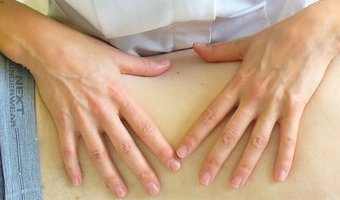
Treatment may involve hands-on techniques to ease muscle tension and support joint movement. Advice is often given on posture awareness, workstation set-up, sitting and sleeping positions and simple strategies to reduce sustained strain. Changes are introduced gradually to allow the body time to adapt.
It is normal to feel some temporary discomfort when altering long-standing postural habits. With time and consistency, new movement patterns often begin to feel more natural and require less conscious effort.
If you would like more detail, you may find these articles helpful:
Forward head posture
Workstation set-up
Appointments can be booked via my online diary.