Knee pain is very common and can affect activities such as walking, climbing stairs, squatting or exercising. Symptoms may develop suddenly following an injury or gradually over time due to changes in load, movement patterns or joint function.
The knee works closely with the hip, ankle and foot and pain is not always caused by a problem within the knee joint itself. Changes elsewhere in the lower body can influence how forces are transferred through the knee and contribute to symptoms.
Common contributors to knee pain
Joint-related pain and stiffness
Changes within the knee joint can contribute to pain, stiffness or swelling, particularly with activities such as walking uphill or climbing stairs. Symptoms may be worse after periods of rest or prolonged activity. As with other joints, structural changes vary widely between individuals and do not always correlate directly with pain levels.
Referred pain
Knee pain may sometimes be referred from elsewhere, such as the lower back, hip or surrounding muscles. This type of pain can feel more diffuse and may be accompanied by altered sensation or discomfort with certain movements.
Movement and load-related issues
How the kneecap tracks during movement and how load passes through the leg can influence knee symptoms. Factors such as foot posture, muscle balance around the hip and thigh and overall alignment may all play a role.
Soft tissue irritation
Irritation of structures such as tendons or bursae around the knee can cause localised pain, tenderness or swelling. Symptoms are often aggravated by kneeling, repetitive activity or sustained positions.
Sports-related injuries
Knee injuries can occur during sporting activity when the joint is subjected to twisting, impact or sudden changes in direction. Structures such as ligaments or cartilage may be involved and symptoms vary depending on the mechanism of injury.
Osteopathic assessment and care
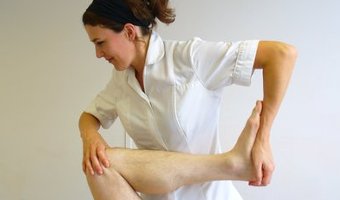
Osteopathic assessment for knee pain considers the movement and function of the knee alongside the hip, ankle and foot. Walking pattern, posture, muscle balance and relevant lifestyle factors are also explored.
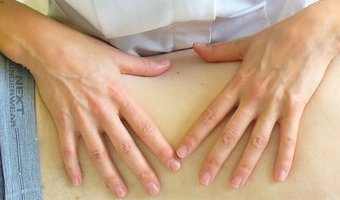
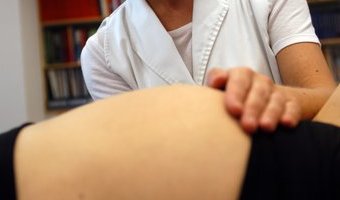
Treatment may involve hands-on techniques to ease muscle tension, support joint mobility and improve movement patterns. Advice is often given on activity modification, pacing and appropriate exercises to help reduce strain and support recovery.
Care is tailored to the individual and based on findings from assessment.
Appointments can be booked via my online diary.