Hip pain can affect walking, standing, sitting and sleeping and may have a significant impact on daily life. Symptoms can be felt in the groin, buttock, outer hip or upper thigh and may develop gradually or following injury.
The hip joint needs both stability and mobility to function well. Pain can arise when movement, load or muscle balance around the hip changes, or when other areas such as the lower back, pelvis, knee or foot influence how forces are transferred through the hip.
Common contributors to hip pain
Joint-related pain and stiffness
Changes within the hip joint itself can contribute to pain, stiffness or reduced movement. These changes vary widely between individuals and do not always correlate directly with symptoms. Hip pain can occur at different stages of life and is not limited to older age groups.
Outer hip pain
Pain on the outer side of the hip is relatively common and may be linked with irritation of soft tissues such as tendons or bursae. Symptoms are often aggravated by walking, lying on the affected side or repetitive activity.
Referred pain
Pain felt in the hip or buttock may sometimes originate from the lower back or pelvis. This type of pain can feel more diffuse and may be accompanied by altered sensation or discomfort with certain movements.
Snapping or clicking sensations
Some people notice clicking or snapping sensations around the hip during movement. This is often related to how muscles or tendons are moving over the joint and does not necessarily indicate damage. It may or may not be associated with pain.
Load and movement influences
Hip pain may also be influenced by changes elsewhere in the body. Reduced movement or altered mechanics in the lower back, pelvis, knee or foot can place additional strain on the hip over time.
Osteopathic assessment and care
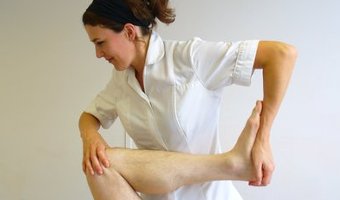
Osteopathic assessment for hip pain looks at how the hip joint is moving, alongside the lower back, pelvis and lower limb. Posture, walking pattern, muscle balance and relevant lifestyle factors are also considered.
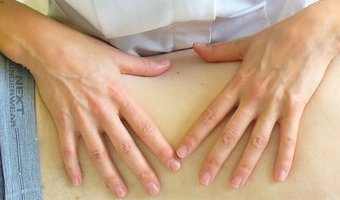
Treatment may involve hands-on techniques to ease muscle tension, support joint mobility and improve movement patterns. Advice is often given on activity modification, pacing and appropriate exercises to support recovery and reduce ongoing strain.
Care is tailored to the individual and based on findings from assessment.
Appointments can be booked via my online diary.