Pain in the foot or ankle can have a significant impact on walking, balance and everyday activities. Symptoms may develop suddenly following an injury or gradually over time due to repetitive strain, footwear, activity levels or changes in how load is transferred through the lower limb.
Because the feet form the base of support for the body, problems here can also influence the knees, hips and lower back.
Common contributors to foot and ankle pain
Ankle sprains
Ankle sprains are common injuries and often occur when the foot rolls inwards or outwards. Symptoms may include pain, swelling, bruising and stiffness. Early management and appropriate rehabilitation can be important in supporting recovery and reducing the risk of ongoing instability or repeat injury.
Pain in the forefoot
Pain around the ball of the foot may be linked with irritation of soft tissues or nerves between the toes. Symptoms are often aggravated by prolonged standing, walking or tight footwear and may be influenced by foot posture or load through the forefoot.
Heel and arch pain
Pain under the heel or along the arch of the foot is commonly associated with strain through the plantar fascia. Symptoms are often worse with the first steps after rest or after prolonged standing or walking. Load management and gradual rehabilitation are usually important factors in recovery.
Fallen arches and foot posture
Some people have a tendency for the arch on the inside of the foot to lower during standing or walking. Changes in foot posture can influence how forces are transferred through the ankle, knee, hip and pelvis and may contribute to pain elsewhere in the body.
Osteopathic assessment and care
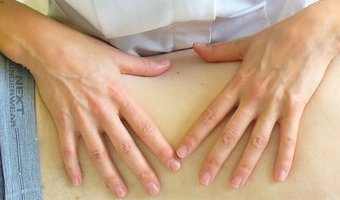
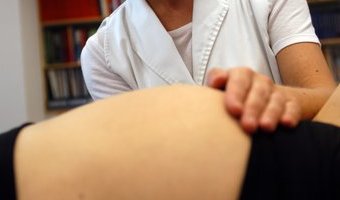
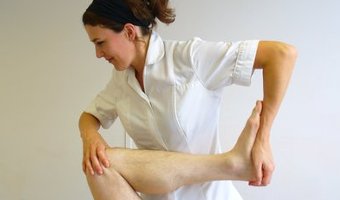
Osteopathic assessment for foot and ankle pain considers how the foot is functioning alongside the ankle, knee, hip and lower back. Walking pattern, posture, footwear and relevant activity levels are also explored.
Treatment may involve hands-on techniques to ease soft tissue tension, support joint mobility and improve movement patterns. Advice is often given on activity modification, pacing, footwear and appropriate exercises.
In some cases, additional support such as insoles may be discussed as part of a broader management approach. Any recommendation is tailored to the individual and introduced gradually where appropriate.
Care is based on findings from assessment and tailored to the individual.
For more detail, you may find these articles helpful:
Fallen arches and foot orthotics (insoles)
Patient experience
“Last year I developed a very painful problem with one of my feet following bruising and could barely walk for months. After assessment and treatment with Fiona, my symptoms improved quickly and continued to settle over the following sessions. I was very impressed with both the treatment and the advice I was given.”
Janet, Veterinary Pathologist
Appointments can be booked via my online diary.