Back pain is extremely common and most people experience it at some stage in their lives. Symptoms can vary widely, from localised stiffness or aching to pain that travels into the buttock or leg. There are a number of different factors that may contribute to back pain and these often overlap.
Common contributors to back pain
Disc-related pain
Discs sit between the vertebrae of the spine and help absorb load and allow movement. Over time or with repeated strain, the outer layers of a disc can become less resilient. In some cases this may contribute to back pain or irritation of nearby nerves. Symptoms can include pain in the lower back, pain that travels into the buttock or leg, and altered sensation such as tingling or numbness. Not all disc changes cause pain and findings on scans do not always match symptoms.
Facet joint strain
Facet joints are the small joints at the back of the spine that guide movement. These joints can become irritated following awkward movements, lifting, twisting or sustained postures. Pain is often localised and may be worse with certain movements such as standing up, turning over in bed or bending.
Nerve irritation or ‘sciatica’
Sciatica is a term commonly used to describe leg pain that originates from the lower back and travels down the leg. This can occur when spinal nerves are irritated or compressed. Symptoms vary and may include pain, pins and needles, numbness or changes in strength. Nerve irritation can have several contributing factors and does not always come from the disc itself.
Degenerative changes and arthritis
Age-related changes in the discs and joints of the spine happen to everyone, although at different rates. These changes may or may not be associated with pain. In some cases they can contribute to stiffness, altered movement patterns or nerve irritation. Because degenerative findings are common even in people without pain, they need to be considered alongside symptoms and physical examination rather than in isolation.
Osteopathic assessment and care
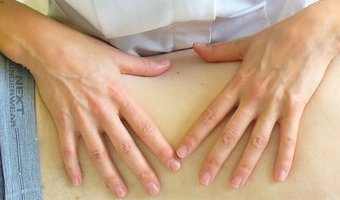
Osteopathic care for back pain focuses on understanding how the spine, pelvis and surrounding areas are moving and coping with everyday load. Assessment looks at posture, movement, joint mobility and muscle tone, as well as relevant lifestyle factors.
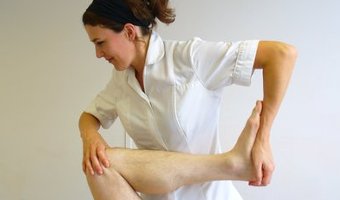
Treatment may include hands-on techniques to ease soft tissue tension, support joint mobility and improve movement patterns. Advice is usually given on activity modification, pacing, posture and appropriate exercises. Where relevant, guidance may also be offered on the use of heat or other self-management strategies.
Care is always tailored to the individual and based on findings from assessment.
When to seek urgent medical advice
Some symptoms require prompt medical assessment. You should seek urgent medical advice if you experience:
- Significant or worsening weakness in the legs
• Numbness in the saddle area
• New difficulty controlling bladder or bowel function
• Severe pain that is rapidly worsening
Evidence-based guidance
For evidence-based recommendations on the assessment and management of low back pain and sciatica in adults, you can read the NICE (National Institute for Health and Care Excellence) guidelines:
Low back pain and sciatica in over 16s: assessment and management
Appointments can be booked via my online diary.