It is very likely that you have experienced back pain at some point in your life. Back pain is the leading cause of disability in the UK, with low back pain accounting for around 11% of all disability. It is also a major cause of work absenteeism, with an estimated 5.6 million working days lost each year.
Causes of back pain
There are several reasons why back pain is so common:
Sedentary lifestyle – Many people spend long periods sitting at a desk, then sitting in a car, train or bus, followed by sitting again at home. It is very easy to move far less than the body is designed to.
Fear avoidance and lack of understanding – Research shows that negative beliefs around back pain are common. These include fear of movement, concern that the back is permanently damaged after an episode of pain and uncertainty about whether to stay active. Avoidance of movement often leads to slower recovery.
NHS and public service pressures – A review of NHS services for low back pain found that care pathways are often poorly planned, slow and not well aligned with the evidence base. Rehabilitation can be inconsistent and delayed.
What can you do about it?
There is no single cure or magic fix for back pain, but there are many effective steps you can take to reduce the risk of developing it and to manage symptoms when they occur:
Keep moving regularly – Build regular movement into your day. Aim to get up and move for around five minutes every hour if you are not in pain and more frequently if you are. Gentle movement helps maintain blood flow and joint mobility.
Exercise regularly – Choose activities you enjoy and can sustain. Swimming is particularly helpful as the water supports the body while allowing movement. Yoga can also be beneficial, as it encourages movement in directions we use less often, such as side-bending and rotation, and often incorporates breathing techniques that support pain regulation and sleep. Current guidance recommends up to 150 minutes of moderate activity per week.
Prioritise sleep – Poor sleep reduces the brain’s ability to cope with pain. If pain affects your sleep, review your sleeping position. Sleeping on your back or side is generally preferable to sleeping on your front. Pillows placed under or between the knees can help reduce strain.
Review your workstation setup – Many back pain problems are aggravated by poor desk setup. Spending a short amount of time adjusting your chair, screen height and desk position can make a meaningful difference. If you use a laptop regularly, raising the screen to eye level and using a separate keyboard and mouse is strongly recommended.
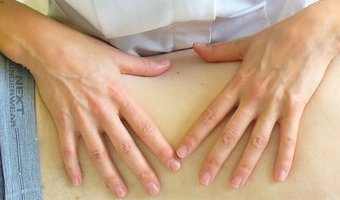
Osteopathy can help relieve back pain using a combination of hands-on techniques such as soft tissue treatment, joint articulation and manipulation, stretching and modern acupuncture where appropriate. Advice and exercises are also provided to support recovery, rehabilitation and longer-term back health. If you are experiencing back pain, it is important to seek medical advice, particularly if you have symptoms such as pins and needles, weakness or numbness in the legs, or changes to bowel or bladder function.